
Staff Reporter : KOLKATA, 12 September 2026: Science City, Kolkata, a unit of National Council of Science Museums (NCSM), Ministry of Culture, Government of India, observed World First Aid Day 2026 by organising a specialised workshop titled “Basic Life-Saving Techniques” today at the Seminer Hall, Science City. Held from 10:30 AM to 1:30 PM, the session was conducted by Dr. Amitava Bose, Honorary Secretary, St. John Ambulance, Tollygunge. The workshop engaged students and educators through practical demonstrations on responding to various medical emergencies, including Cardio-Pulmonary Resuscitation (CPR), basic triage, choking, burn management and the stabilisation of casualties while awaiting professional medical assistance.
Through demonstrations and hands-on practice, participants gained an understanding of essential first-aid and life-saving techniques, with emphasis on the importance of quick, calm and appropriate action during the critical initial minutes of an emergency. Highlighting the importance of medical preparedness, Dr. Amitava Bose, Honorary Secretary, St. John Ambulance, Tollygunge , said: “In most medical emergencies, the minutes before an ambulance arrives can be decisive. Basic life-saving interventions are not complex medical secrets—they are essential life skills that anyone can learn. Every teacher and student should be equipped with the knowledge and confidence to respond effectively in an emergency. When young minds learn skills such as clearing an airway, performing chest compressions and controlling severe bleeding, panic can be replaced with calm, informed action. First-aid education can help make our schools and communities safer.” Speaking on the broader institutional perspective and social impact of the initiative, Shri Pramod Grover, Director, Science City, Kolkata , remarked:”Science education fulfills its true purpose when translated into skills that serve human life. Imparting basic emergency response training to school students creates a culture of active citizenship, ensuring they step forward as capable first responders rather than passive bystanders during critical health crises. Equipping youth with the confidence to manage unexpected health emergencies—whether at home, school, or on the street—is a vital social investment in public safety and collective resilience.”
The programme provided participants with basic knowledge of first aid and the ABC approach to emergency response—Airway, Breathing and Circulation. Through practical demonstrations, participants were introduced to the importance of ensuring an open airway, checking breathing and assessing circulation while providing immediate assistance to a person in a critical condition. A hands-on demonstration using a CPR training dummy helped participants understand the correct procedure and importance of CPR in an emergency. The session also covered the identification of pulse points and basic understanding of heartbeat and vital signs, enabling participants to recognise potentially life-threatening situations and seek appropriate emergency assistance at the earliest.
The programme further introduced participants to Basic Life Support (BLS) and its role in managing a person experiencing a life-threatening emergency. The demonstration included practical aspects of CPR and the use of an Automated External Defibrillator (AED) —a portable device that can analyse certain cardiac rhythms and deliver an electrical shock when appropriate. The importance of early CPR and timely use of an AED was highlighted as critical components of the chain of survival.
The session also incorporated visual demonstrations of different medical emergency situations and explained the appropriate immediate response in each case. Participants were provided with basic life-saving guidance related to situations such as snake bites and burns, including awareness about identifying and classifying Indian snake species and the appropriate initial steps to be taken while arranging professional medical assistance. Special emphasis was placed on hygiene and safe practices during first-aid and CPR procedures, highlighting the importance of protecting both the casualty and the responder during emergency intervention.
The programme concluded with a hands-on CPR practice session involving students from 10 schools, providing them with an opportunity to apply the techniques demonstrated during the programme under appropriate guidance.Through such programmes, Science City continues to promote scientific awareness and practical knowledge that can help individuals respond calmly and responsibly during emergencies.
The workshop featured interactive breakout sessions where participants worked directly with medical training mannequins, first-aid gear, and immobilization techniques under Dr. Bose’s supervision. The program concluded with a question-answer segment, followed by a formal vote of thanks reaffirming Science City’s commitment to community-oriented scientific and safety education.
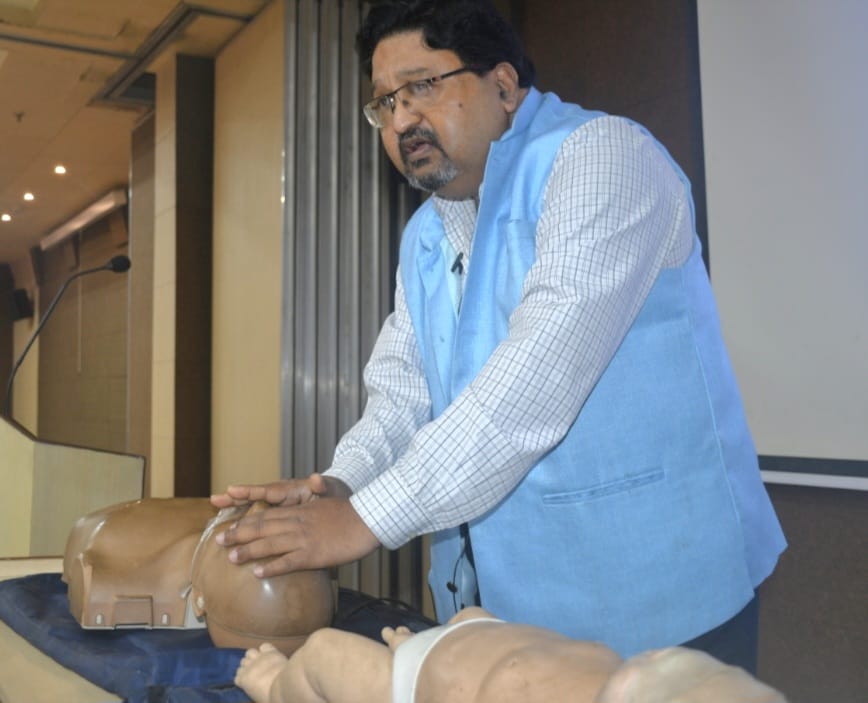
Science City, Kolkata Observes World First Aid Day 2026 with Workshop on “Basic Life Saving Techniques”….
Published in Science Technology and World

More from Science TechnologyMore posts in Science Technology »
- IGNITE সেমিনার ৬০০ টিরও বেশি প্রযুক্তিবিদকে প্রশিক্ষণ দেয়, শিল্প উদ্ভাবনের প্রচার করে…।
- পড়ুয়াদের কর্মমুখী করে তুলতে শিক্ষা ও শিল্পের সেতুবন্ধনের বিশেষ উদ্যোগ স্কটিশ চার্চ কলেজে…।
- India’s First Immersive Language Museum…
- Science City Kolkata Celebrates Its 29th Anniversary with Special Programme for Children of Manovikas Kendra, Kolkata….

More from WorldMore posts in World »
- কোচিং সেন্টারেও সিসিটিভি! এডু-মাফিয়াদের ডেরায় সুপ্রিম ধাক্কা…!
- উত্তর ২৪ পরগনায় লোক আদালতে একদিনে হাজার হাজার মামলার নিষ্পত্তি, কোটি কোটি টাকার বিরোধের সমাধান…।
- কলকাতায় ডিআরএটি ও ডিআরটি গুলিকে এক ছাদের তলায় আনা হল বিচারপ্রক্রিয়াকে আরও সুসংহত করা ও সমন্বয় বৃদ্ধির উদ্যোগ…।
- এক সমুদ্র উত্তাল ঢেউ এখনো আমার বুকে…।
- টিভি নাইন বাংলা নিউজ সিরিজ, দ্রোহের পাঠশালা…।


Be First to Comment